
Illegal gambling ads: a Dutch trade body sues Meta, and licensed operators must move the channel mix

Illegal gambling ads dominate Dutch Facebook, says VNLOK, which just summoned Meta to court. Five channel moves licensed operators can make while the case runs.
Crypto promotion after the SEC FAQs: sell what works, never what pays

The SEC’s 25 September FAQs redraw the line for crypto promotion: sell what a working network does today, never a buyback as yield. Here is the copy test.
Music Sync Marketing: What GTA VI’s 34-Track Album Actually Teaches

Music sync marketing explained through GTA VI’s 34-track album: how Rockstar staged a licence as its main campaign, and what smaller labels can copy from it.
BNPL companies and the quiet premium on a licence
BNPL companies now win on profit plus licence, not volume alone. Five sharp lessons from Tabby’s $6.5bn Series F for fintech marketers and founders to copy.
AI Crawl Control now lets you refuse the trainer and keep the search
AI Crawl Control now disallows AI training without blocking Googlebot. Five checks for regulated sites on Google-Extended, Applebot-Extended and licensing.
A MiCA licence is now a distribution asset, and Binance’s Greek file shows why
A MiCA licence now decides who gets Google ads and EU passporting. After the WSJ’s Binance report, here is how to market while your application is pending.
Music licensing on the remix rail: 5 moves for AI-era labels
Universal Music Group and ElevenLabs signed a landmark music licensing deal for fan remixes. Here are five practical moves for labels managing music rights.
The Suno Lawsuit Isn’t About Copyright. It’s About Right of Publicity
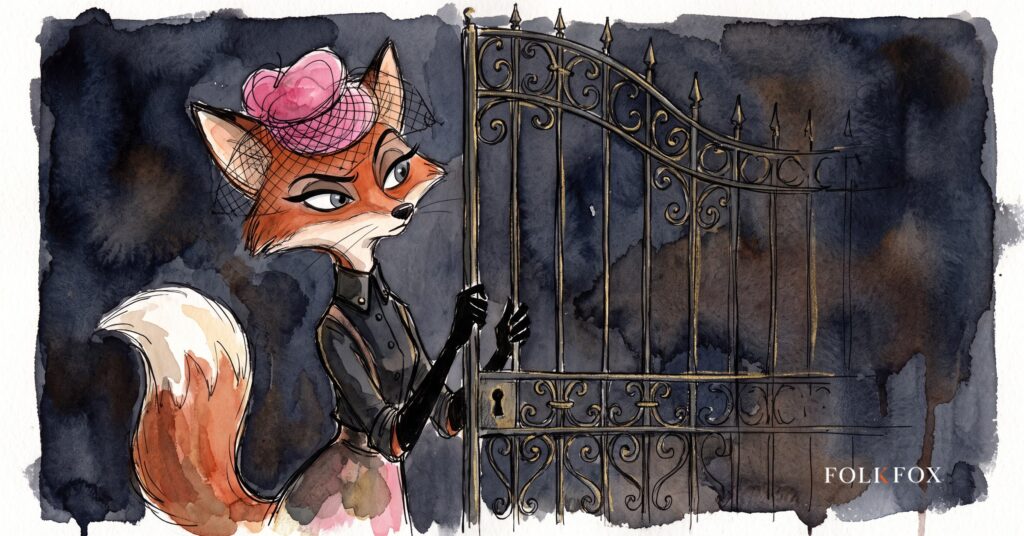
Jason Isbell and David Lowery sued Suno over right of publicity, not copyright: what the 17-count class action means for music industry marketing teams.
Three labels stopped suing Stability AI, and bought a stake instead

Universal, Sony and Warner Music took equity in Stability AI instead of suing it, reshaping music copyright law, artist trust and how labels license AI tools.
New York’s buy now pay later regulation just grew teeth
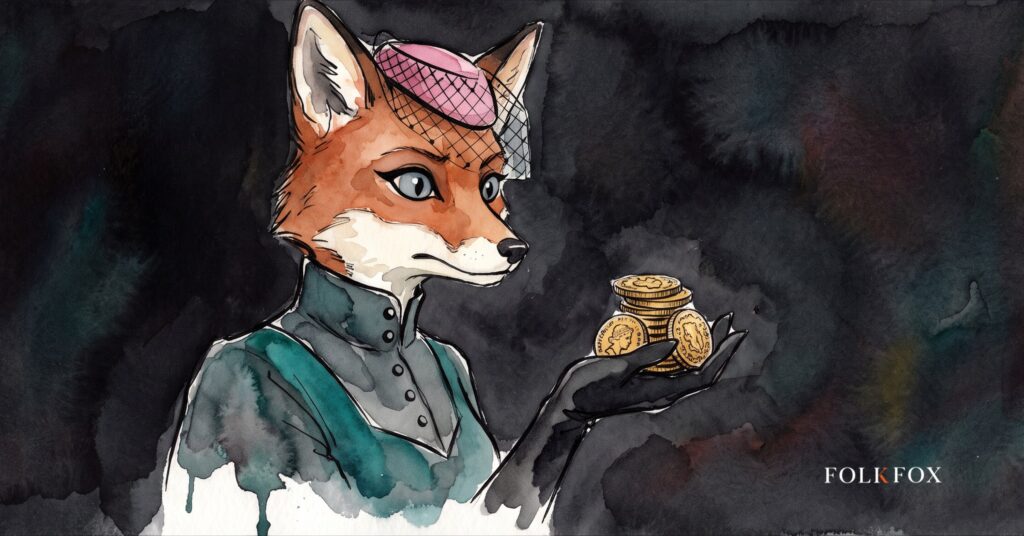
New York’s buy now pay later regulation adds a 16% usury cap, licensing and an $8 fee limit for lenders and bank partners. Comments close 14 September 2026.