





A folkfox special report.
TikTok Symphony: 5 honest gains for video ads
TikTok has put the Dreamina Seedance 2.5 model inside Symphony. AI video ads can now run to 30 seconds, draw on 50 references, and from 9 November advertisers outside North America can pay for the output with BytePlus tokens.
By Katie Delaney. Research checked 10 November 2026. The illustrations are conceptual.
The update landed in two parts
TikTok set out the latest Symphony changes on its business blog, and trade coverage of the wider rollout followed on 9 November 2026. The model inside Symphony is now Dreamina Seedance 2.5, ByteDance's current video generation model. Two limits moved with it. A generated video can run to 30 seconds, where the ceiling before was 15. An advertiser can upload up to 50 multimodal references, images, video and audio, where the limit before was nine.
The second part is billing. From 9 November, advertisers outside North America can buy BytePlus tokens to pay for Dreamina Seedance output through Symphony. BytePlus is ByteDance's enterprise technology arm. The change turns the strongest video model in the suite into a metered input for most of the world's advertisers: output can now be budgeted, bought in volume and argued about in a media plan, like any other production cost.
TikTok has also updated the Symphony API, so advertisers can generate content with these tools inside their own creative management systems. All three changes point the same way. TikTok Symphony is being built as production infrastructure for tiktok ai video ads, rather than a novelty panel inside Ads Manager.
TikTok described the wider suite a day before the token sale began, in a post introducing Symphony as its creative AI system for advertisers. Read together, the two announcements describe a platform feature becoming a production line. The suite gains a stronger model, the model gains an API, and the API gains a meter. Each step moves TikTok Symphony closer to how advertisers already buy media: as an input with a rate card, a volume and a place in the plan.
For buyers, TikTok Symphony now sits in the same conversation as the shoot budget and the edit suite, which is where TikTok has wanted it since the suite launched. The question in that conversation is no longer whether generated video is good enough to test, but what an approved generated video costs.


Five numbers at a glance
The update reduces to two raised limits, a new way to pay, and an API. The numbers first.
- 30s
Maximum generated video length, up from a 15-second ceiling
- 50
Multimodal references an advertiser can upload, up from nine
- 9 Nov
The date BytePlus tokens for Seedance went on sale outside North America
- 2.5
The Dreamina Seedance generation now integrated into Symphony
- 3
Formats a reference can take: image, video and audio
The reference count is the figure that changes the work. Nine references asked an advertiser to choose a mood. Fifty references let a team hand the model its product shots, its packaging, its previous winning ads and its brand audio, then direct the sequence against that record. The tool moves from generating a look to assembling from evidence.
For a smaller advertiser, the arithmetic is the attraction. A filmed product video carries a shoot day, an edit and a reshoot when the product changes. A generated video carries a reference set and a generation bill. The reference set is built once and reused, so the second video costs a fraction of the first, and the twentieth costs less still. That falling cost per asset is the real change in the announcement, and it is why the fifty-reference limit matters more than any single output a team will generate this month.
Read together, TikTok Symphony's new limits describe a tool aimed at advertisers with something to show: a product range, a back catalogue of winning ads, and a story that needs the second fifteen seconds.


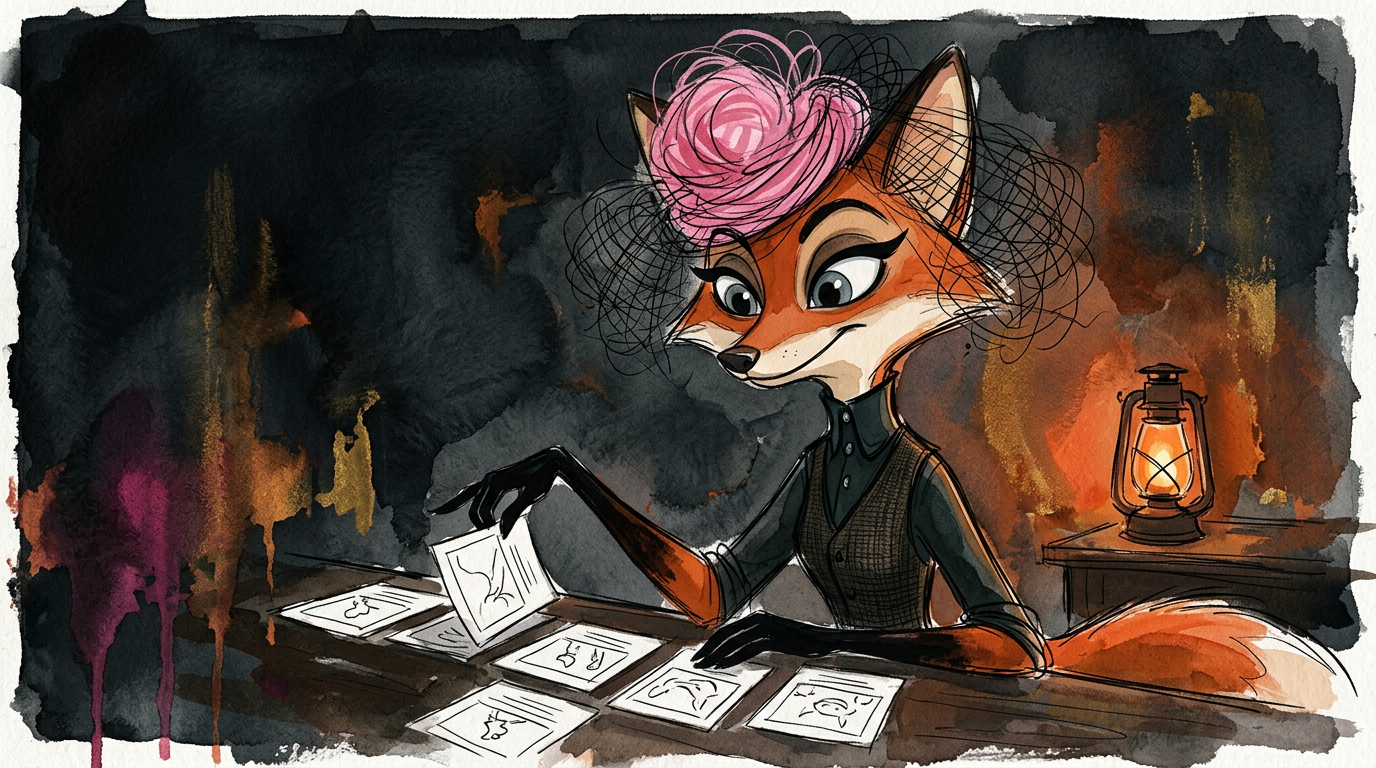
What TikTok Symphony changes with 50 references
Timestamp-specific direction completes the picture. An advertiser can guide what happens at a given second of the generated video, which is the difference between a product film and a product slideshow. TikTok's own case for the model rests on consistency: sharper imagery, steadier lighting and characters that hold across frames. Those claims come from the vendor, and the honest test is a brand's own product under its own references, because consistency failures show on packaging and faces before they show anywhere else.
folkfox chart
The two limits that moved
| Item | Value |
|---|---|
| References now | 50 |
| References before | 9 |
| Seconds now | 30s |
| Seconds before | 15s |
Source: TikTok for Business, November 2026, checked 10 November 2026.
The safeguards deserve a line in any buyer's assessment. Symphony applies moderation checks to prompts, reference inputs and generated content, blocks real face uploads, and labels AI content for viewers. It also applies an invisible watermark and C2PA Content Credentials, so material made with the tools can be identified as AI-generated on other platforms. An advertiser's own disclosure duties sit on top of that, and they vary by market.
Dreamina Seedance TikTok output at 30 seconds also changes the media maths. A 15-second ceiling pushed generated video toward hooks and reminders. Thirty seconds carries a demonstration, a before-and-after, or a short story with a product at the end. The format question and the production question are now the same meeting, which is where paid social teams tend to do their best work.
The consistency claim can be tested cheaply, and should be. Take the product your filmed ads already sell, generate three versions from your cleared references, and read the frames the way a customer would: packaging legible, colours true, hands and faces steady, the product the same shape at second two and second twenty. TikTok ai video ads live or die on those four checks, because a viewer forgives a generated background and notices a warped logo at once.
One production habit separates the teams that will save money here. Agree the shot list before generation, as a filmed shoot would: the opening frame, the demonstration, the proof, the close. Timestamp-specific direction exists to execute a shot list, not to replace one. Generate against the list and reject against it, and the metered bill stays attached to a plan instead of a mood.

Where the honest limits sit
Now the parts the launch film skips. Three limits, stated while the coverage is still warm. The model is TikTok's, the references are yours, and the rights position sits between the two: a team uploading fifty references needs the rights to every one of them, including the audio. TikTok's checks block some misuse, including real face uploads, but a platform check is not a rights clearance, and the advertiser remains the publisher.
Second, token pricing reframes the creative budget. BytePlus tokens TikTok advertisers buy outside North America turn each generation into a metered cost, and iteration is where the meter runs. A team that generates forty variants to find one has spent on thirty-nine rejects. The discipline that controls the bill is the same discipline that controlled a shoot: a tight brief, a reference set agreed before generation, and a named person who can say stop.
| Change | What TikTok published | Buyer question |
|---|---|---|
| Video length | Up to 30 seconds, from 15 | Which of our formats actually need the second half? |
| References | Up to 50 multimodal, from nine | Do we hold rights to every reference we plan to upload? |
| Billing | BytePlus tokens outside North America, from 9 Nov | What does one approved video cost after rejected generations? |
| API | Symphony tools inside advertiser systems | Where does generated output get reviewed before it ships? |
| Labels | AI labels, watermark, C2PA credentials | What must we disclose in each market we run in? |
Third, generated video still answers to the platform's own results. A consistent character and a clean product shot are production qualities. Whether a 30-second generated story holds attention against filmed creative in the same auction is a measurement question, and TikTok's launch material does not answer it. Run the comparison in the account, with the same audience and the same offer, before the production budget moves.
There is also a brand safety reading that cuts the other way. Generated creative can now be produced inside the same systems that traffic it, at volumes no review team was hired for. The advertiser who generates three hundred variants has also generated three hundred chances for a wrong claim, an unlicensed sound or a product shown doing something it cannot do. The label and watermark answer the platform's disclosure problem. They do not answer the advertiser's accuracy problem, which scales with exactly the same multiplier as the output.

Five honest checks before you generate
For teams buying paid social, the update rewards preparation more than enthusiasm. Five checks, in the order they save money.
- Build the reference set first. Fifty slots are a liability without a rights-cleared library. Agree the product shots, past winners and audio the model may use, and clear them before anyone generates.
- Cost one approved video, not one generation. Count rejected variants in the price. The token meter makes iteration a budget line, so give it an owner and a ceiling.
- Test length honestly. Run the 30-second generated cut against your best 15-second filmed ad, same audience, same offer. Keep the winner, not the novelty.
- Write the disclosure into the brief. AI labels and credentials travel with Symphony output. Your market's own rules sit on top, and they belong in the creative brief, not in a post-launch review.
- Keep a human approval step. The API can generate inside your systems at volume. The review that checks claims, rights and brand fit has to sit inside the same system, before anything ships.
Creative volume is a production problem before it is a media problem, and our paid social work starts with the reference library and the approval line for that reason. TikTok Symphony Creative Studio now gives a small team the output of a much larger one. The checks above decide whether the account can tell the difference.
Judge the first month by a small set of numbers you can defend in a budget meeting: cost per approved video after rejects, save rate of generated against filmed creative on the same audience, and the share of generated output your reviewers passed without edits. Those three lines tell a finance lead more than any launch film, and they decide whether the token budget grows or returns to the shoot budget it came from.
The one line version
TikTok Symphony turns AI video into a metered production line: fifty references, thirty seconds, tokens on sale. Clear the rights, cost the approved video, and keep the approval step.
The first accounts to report value from TikTok Symphony will be the ones that treated the reference library as an asset on the balance sheet of the creative team, and the token bill as a cost of goods rather than a subscription.
Quick answers
Short answers about tiktok symphony, each expanded in the chapters above.
What is TikTok Symphony?
TikTok Symphony is TikTok's creative AI suite for advertisers. It generates and edits video ad content, and its Creative Studio now runs the Dreamina Seedance 2.5 model, according to TikTok's business blog.
What changed in TikTok Symphony Creative Studio?
Generated video can now run to 30 seconds, up from 15, and advertisers can upload up to 50 multimodal references, up from nine, with timestamp-specific direction. TikTok also updated the Symphony API.
What are BytePlus tokens on TikTok?
BytePlus is ByteDance's enterprise technology arm. From 9 November 2026, advertisers outside North America can purchase BytePlus tokens to access Dreamina Seedance AI models through Symphony.
Are TikTok AI video ads labelled?
TikTok says Symphony applies AI labels, an invisible watermark and C2PA Content Credentials to generated content, with moderation checks on prompts, references and output. Advertisers keep their own disclosure duties in each market.
How long can a Dreamina Seedance TikTok video be?
Symphony with Dreamina Seedance 2.5 supports up to 30 seconds of generated video, double the previous 15-second maximum, as published by TikTok.
Work with folkfox
Make the platform story useful to the people making the call
folkfox turns fast-moving platform claims into clear evidence, useful stories and sharper decisions for the people building what comes next.
Want folkfox in your Google results? Set folkfox as a preferred source.
Sources
Primary sources for this report on tiktok symphony, checked 10 November 2026.
- TikTok for Business: Symphony levels up with Dreamina Seedance 2.5
- TikTok for Business: Meet TikTok Symphony, our creative AI suite
- Social Media Today: TikTok updates its AI video ad tools, 9 Nov 2026
- TikTok Newsroom: TikTok World 26
- TikTok Newsroom: more ways to spot AI-generated content
- Castintech: TikTok Symphony extends AI video length to 30 seconds
- Search Engine Journal: TikTok Search Ads keyword packs
Reporting: the folkfox newsroom, from the primary sources listed above, checked 10 November 2026. Illustrations are conceptual watercolour plates of the folkfox vixen made for this report. Nothing here is financial or legal advice.